W2W project shares knowledge with Chinese universities on post-consumer wood recycling
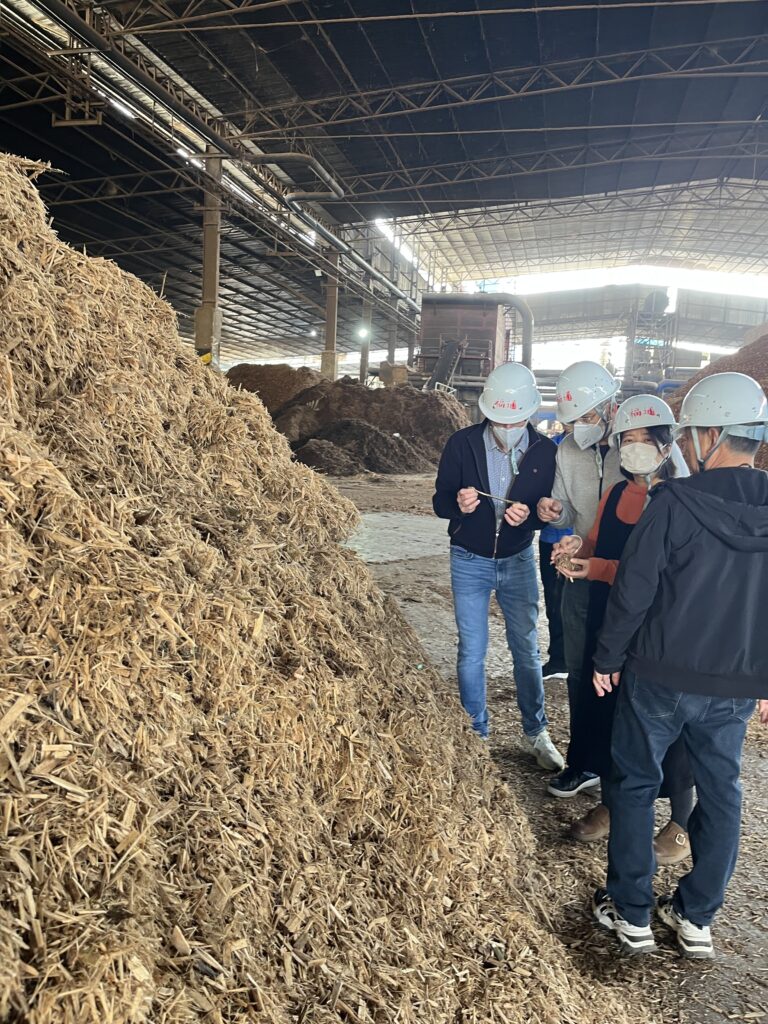
At least 25 academic and post-graduate students were present for the engagement and asked questions on the processes and chemistry behind the Use Case 2.
One major area of intervention in the bioeconomy strategy is to better utilise bio-based waste streams, emphasising cascade use, recycling and upcycling processes to extend material life cycles and reduce dependence on virgin resources.
This year’s workshop theme was “Driving the Circular Transition in the EU: Recovering Value from Secondary Raw Materials” and the objective was to drive progress towards a circular economy by keeping materials in circulation for as long as possible to reduce European dependence on virgin resources and build resilience to de-risk its supply chain in the face of global supply chain uncertainties.
The event brought together specialists from academia, industry, and policy to discuss how artificial intelligence, data analytics and economic modelling are driving the digital transformation of business, economic and social systems.
“Digital Product Passport & Traceability: Enabling Sustainability through Effective Policy” will take place on 27 November, 2025 at the Centre for European Policy Studies (CEPS), Place du Congrès 1, 1000 Brussels, as well as online.
The recovered wood sector stumbles on challenges like erratic sourcing and contamination from paints, nails, and debris. Yet, this waste holds untapped potential.
The session will highlight the challenges, barriers and opportunities in the market, skills, technology, social, legal, policy and political environments for wood recycling.
A key contribution of W2W to the masterclass was exposing the audience to technologies innovations in the circular economy and making them more receptive of using digital technologies to enhance circularity especially in waste valorisation.
New occupational roles are emerging – from bio-based material experts to digital traceability managers – yet skills gaps risk slowing adoption.
This program will delve into the current reality and core concepts of the Circular Economy, specifically exploring policy in South Africa.