
The European Commission recently presented the new Bioeconomy strategy to support EU’s climate and net neutrality ambitions by 2030 and 2050 respectively in addition to tackling biodiversity loss and pollution. The fundamental message underpinning the bioeconomy strategy is to use renewable bio resources and provide an alternative to critical raw materials to promote circularity across value chains, decarbonise the economy and cut EU’s dependence on fossil fuels.
One major area of intervention in the bioeconomy strategy is to better utilise bio-based waste streams, emphasising cascade use, recycling and upcycling processes to extend material life cycles and reduce dependence on virgin resources.
Other than these features, the bioeconomy strategy also prioritises:
- Innovation in biorefineries
- Decarbonisation of materials
- Improved resource efficiency
These three elements will be supported by policy frameworks, sustainable investments and sectoral collaboration. Ultimately, the bioeconomy strategy emphasises the development of European bioeconomy for Europe to be able to use biological resources within the bloc more sustainably.
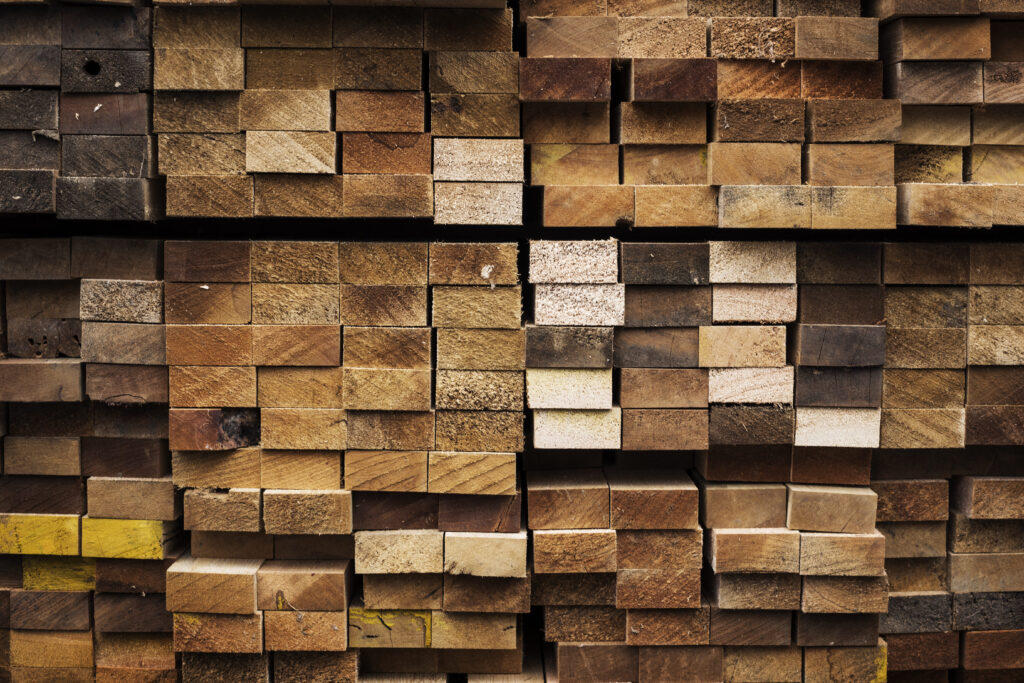
Europe’s Built Environment generates 850 million tons of waste annually: Unlocking the circular potential of wood waste. Read more
Relatedly, the Wood2Wood project which is now in its second year, is an example of the bioeconomy in motion. The project is developing technologies that will be able to recover, sort, upcycle and recycle wood waste from construction, demolition, and discarded furniture, thus extending the life cycle of materials for as long as possible and closing material loops to achieve circularity.
For example, our technologies include contaminant removal, advanced sorting and separation, upcycling processes and the development of high-performance secondary wood materials and biocomposites which directly support the EU’s ambition to reduce consumption of virgin wood and divert waste from landfills and incineration.
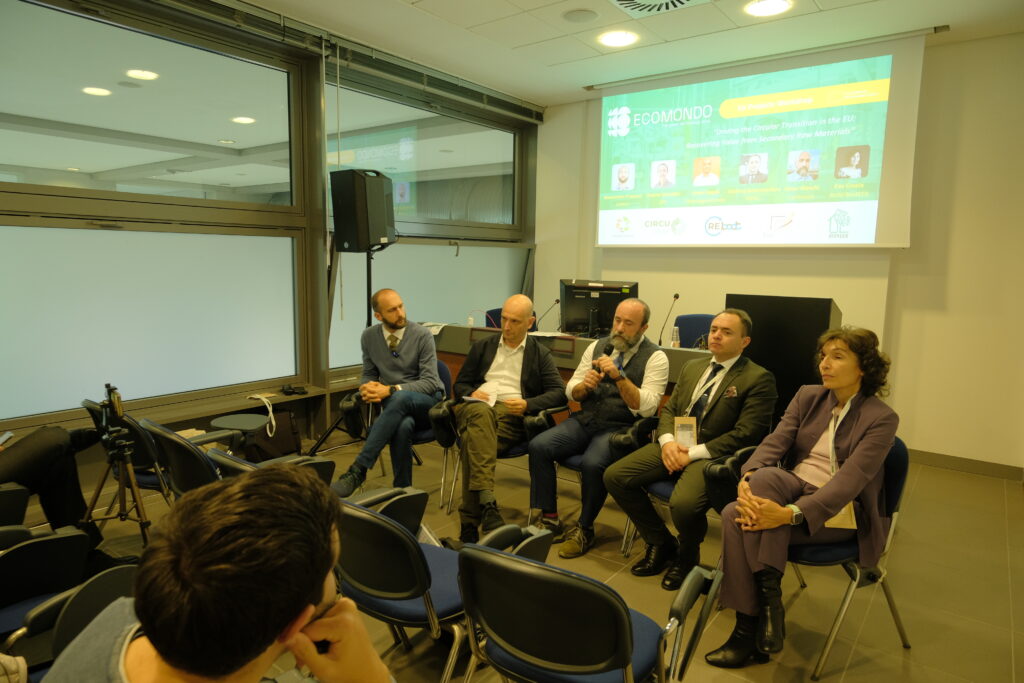
Recovering value from secondary raw materials for circularity in EU: Highlights from EU projects workshop at Ecomondo 2025. Read more
Other pillars of innovation include developing digital tools for improving circular flows of secondary materials and supportive framework in policy, market and skills.
In this way, W2W project will strive to transform end-of-life wood waste into inputs for high-value new products to enhance circularity, reduce environmental impact, and promotes efficient use of Europe’s biomass resources.